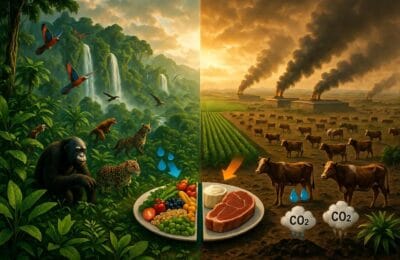

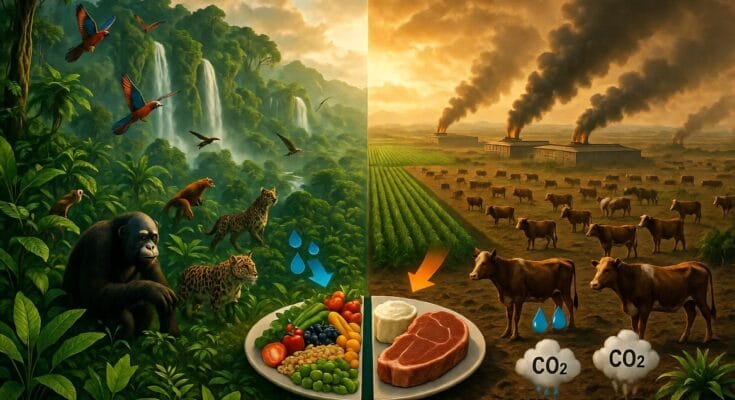
Hey there, folks! Whether you’re a lifelong vegan warrior or just dipping your toes into this whole plant-based world, let’s start with a vivid little scene to get your mind racing. Imagine yourself wandering through a lush, vibrant rainforest – the kind where colorful birds are chirping away, sunlight filters through the canopy, and the air feels alive with the hum of insects and rustling leaves. It’s pure magic.
Now, blink, and it’s all vanished. In its place? Vast, barren fields stretching as far as the eye can see, dedicated solely to growing feed for cattle, pigs, and chickens. Heartbreaking. It isn’t some dystopian fantasy; it’s the stark reality behind the ecological impact of animal protein – from that juicy steak on your plate to the cheese in your fridge or the eggs in your morning omelet. As someone who’s been thriving on a vegan lifestyle for over a decade now, I can still vividly recall my “aha” moment. It happened at a casual potluck organized through VeganVibes, where I was enjoying a mouthwatering plant-based burger that tasted just like the real thing.
Surrounded by like-minded folks, we were chatting and laughing, and then someone dropped this bombshell fact: producing animal protein consumes more of our planet’s precious resources than almost any other aspect of our food system. It stopped me in my tracks, making me realize how our everyday food choices send massive ripples through the environment. If you’re passionate about living a more sustainable life or simply curious about adopting a greener lifestyle, join our forums on VeganVibes. People there are constantly sharing practical tips, success stories, and even motivational challenges to help each other stay on track.
New to the site? Our resource library is a goldmine, packed with beginner-friendly guides, meal plans, and even downloadable e-books on everything from easy swaps to environmental science basics. Stick around as we delve deeper into why ditching animal protein could be one of the most potent ways to boost your eco-credentials, incorporating ethical insights, sustainability strategies, and innovative ideas to make the transition enjoyable and feasible.
Shifting Gears: From Humble Family Farms to Industrial Giants
Alright, let’s rewind a bit and get some historical context because animal protein production wasn’t always this massive environmental offender. Back in the day – think centuries ago – it was all pretty straightforward and low-key. Families would keep a handful of animals on small farms, allowing them to graze on natural pastures, recycle waste back into the soil, and essentially live in harmony with the land. No big factories, no chemical overloads – just sustainable, small-scale operations that fed local communities without much fuss.
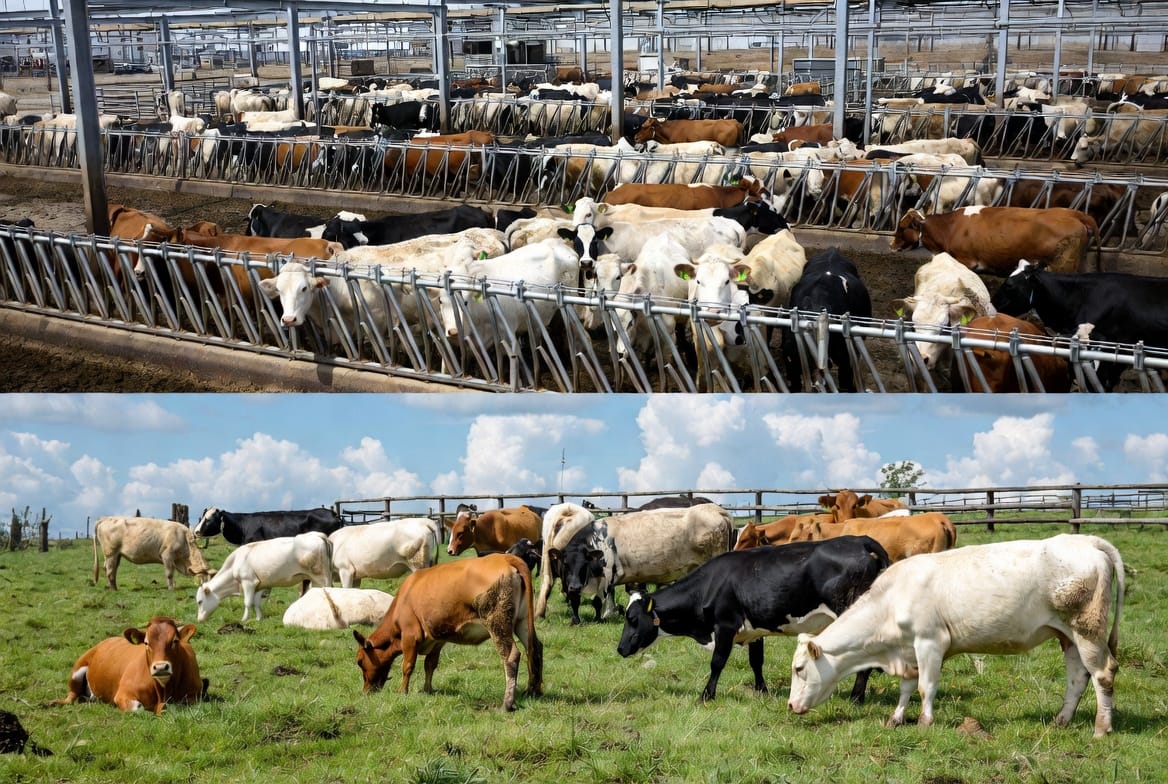
But oh boy, how times have changed! Over the past few centuries, global demand for animal protein has increased significantly, driven by population growth, urbanization, and aggressive marketing by large food corporations. It has given rise to what we now call factory farming or concentrated animal feeding operations (CAFOs) – these are enormous, high-tech facilities where thousands of animals are crammed into confined spaces to maximize output of meat, dairy, and eggs at breakneck speeds. Efficiency might sound great on paper, but it comes at a considerable cost to the planet.
I like to illustrate this shift with a story about a fictional farmer named Alex. He inherits his family’s quaint farm, which is filled with rolling hills and happy, free-roaming animals. However, market pressures soon set in—supermarkets and fast-food chains demand cheap, abundant animal protein to keep prices low and maintain high profits.
To compete, Alex has to adapt: he switches from natural grazing to grain-based feeds, which leads to clearing more land for crops like corn and soy. Before he realizes it, his operation has expanded significantly, requiring vast tracts of farmland to sustain the feed cycle. It is where the ecological impact intensifies, creating a cascade of environmental problems that affect everything from local ecosystems to global climate patterns.
It’s not just about cold, complex numbers; it’s about understanding the interconnected web of consequences, like how deforestation disrupts carbon sequestration and contributes to poorer air quality worldwide. Why does this history matter if you’re considering veganism? It helps you see the bigger picture, empowering you to make informed choices that break the cycle. Head over to our ethical vegan forum – it’s a vibrant space where people share personal journeys, from former farmers who’ve transitioned to a plant-based lifestyle to urban dwellers reclaiming their diets. You’ll find inspiration in stories of folks who’ve ditched animal protein and discovered a sense of freedom and alignment with their values.
The Great Land Grab: How Animal Protein Devours Our Precious Space
Without a doubt, one of the most alarming aspects of the ecological impact of animal protein is its insatiable hunger for land. Animal agriculture commandeers vast swaths of the Earth’s surface for grazing livestock or growing feed crops like soy and corn—resources that we could use far more efficiently to produce food directly for humans.
Let me break it down into some digestible chunks to make it more straightforward:
- Rainforest Devastation Shock: Every year, ranchers and farmers bulldoze millions of acres of precious rainforests to make way for cattle ranches or feed plantations. It isn’t just about losing trees; it’s a direct threat to endangered species, such as the orangutan in Indonesia, the jaguar in South America, or even rare birds and insects that call these jungles home. It’s like erasing entire ecosystems overnight, disrupting the delicate balance that supports global biodiversity.
- The Efficiency Trap: Producing animal protein is notoriously inefficient. Producing one pound of beef can require up to 16 pounds of grain. That’s a massive detour in the food chain – we’re essentially feeding plants to animals and then eating the animals, losing tons of calories and nutrients along the way. Imagine if we redirected that grain to human consumption; we could feed billions more people without expanding farmland.
- Soil Erosion Nightmare: Intensive animal farming practices, such as overgrazing and heavy tillage for feed crops, strip the soil of its nutrients faster than it can replenish them. Intensive animal farming practices lead to desertification, transforming fertile land into unproductive, dust-filled areas. Over time, this process not only reduces agricultural yields but also releases stored carbon into the atmosphere, exacerbating climate issues.
I recall reading a post from a forum member on VeganVibes.com who had previously worked on a cattle ranch. They described watching vibrant pastures degrade into barren patches from constant animal trampling and chemical fertilizers – it was a turning point that pushed them toward veganism. The flip side is exciting: by reallocating that land to plant-based agriculture, we could produce more food with less space, allowing nature to reclaim and heal.
Our sustainability hub on the site features stunning infographics and interactive maps that visually represent these statistics; members often say they’re perfect for those “wow” moments that spark change. If you’re serious about choosing plants over animal protein, you’re essentially voting for a world where land thrives rather than suffers. We explore this further in our innovation zone, with threads on regenerative farming techniques that utilize cover crops and no-till methods to rebuild soil health while producing delicious, animal-free foods such as legumes and grains.
The Thirsty Beast: Animal Protein’s Voracious Water Consumption
Water is essential for life on Earth, but the production of animal protein consumes an alarming amount of this vital resource, often obscured from the consumer’s view. For instance, the creation of a single hamburger can demand thousands of gallons of water. This figure includes not only the water needed to irrigate feed crops and provide drinking water for the animals, but also the water used for cleaning facilities involved in the production process.
Here’s how you can wrap your head around it with some practical insights:
- Personal Water Footprint Audit: Try using one of the online calculators we link to on VeganVibes.com. You’ll be surprised to learn that replacing animal protein with plant-based alternatives, such as lentils or tofu, can reduce your personal water usage by up to 50%. It’s an easy way to see the direct impact of your choices.
- River and Ocean Pollution Havoc: Runoff from animal farms carries manure, antibiotics, and pesticides into nearby waterways, creating nutrient overloads that lead to algal blooms and “dead zones” in oceans where marine life can’t survive. Places like the Gulf of Mexico have massive areas affected by this, resulting in the death of fish and disruption to fishing communities.
- Drought Aggravation in Arid Regions: In water-scarce areas like California or parts of Australia, diverting vast amounts of water to animal agriculture intensifies shortages, forcing tough choices for farmers and residents alike. Climate change is exacerbating this issue, with more frequent dry spells.
Visualize this: a family planning a relaxing picnic by the river, only to find the water murky and unsafe due to upstream pollution from a massive dairy operation. Stories like this are all too familiar and fuel the passion in our VeganVibes community for water conservation campaigns. Bloggers on the site share their own hacks, like installing rainwater harvesting systems or starting small hydroponic gardens that minimize water waste. Embracing veganism isn’t just an ethical stance; it’s a smart strategy for preserving our water resources, aligning with the broader role of being stewards of the Earth. We have sections dedicated to water-wise recipes, such as refreshing salads with quinoa and veggies that require far less water to produce.
Clearing the Smog: Air Pollution from Industrial Animal Farms
You might not think about air quality while firing up the barbecue, but the ecological impact of animal protein extends deeply into our atmosphere. Large-scale farms emit a cocktail of pollutants that affect local communities and contribute to global warming.
Keep an eye out for these key offenders:
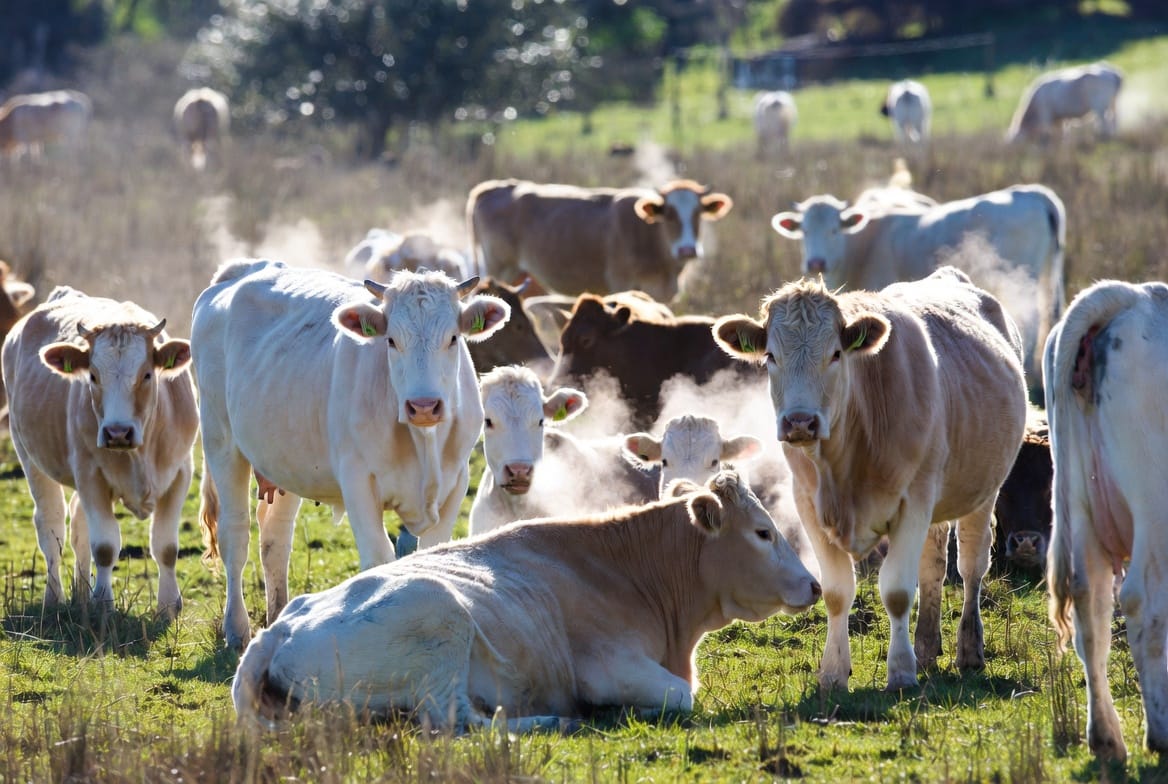
- Methane Mayhem: Livestock, especially cows, release methane through burps and manure – a greenhouse gas that’s 25 times more potent than carbon dioxide over 100 years, but even more aggressive in the short term for trapping heat.
- Ammonia Onslaught: Fumes from animal waste create ammonia emissions that can lead to respiratory issues, acid rain, and even contribute to smog formation, irritating lungs and eyes in nearby areas.
- Particulate Matter Drift: Dust, odors, and pathogens from farms can travel miles on the wind, infiltrating urban air and exacerbating health issues such as asthma and allergies.
I once visited a region filled with pig farms, and the smell was overwhelming. Locals shared heartbreaking stories about the rise in asthma rates among children and chronic coughs in adults. This experience served as a wake-up call, strengthening my commitment to advocacy. Our health-and-planet discussions on VeganVibes.com are full of similar experiences, with users swapping tips on indoor air-purifying plants or organizing petitions against nearby factory farms. By cutting out animal protein, you’re helping to freshen the air we all breathe. Check out our innovation feed for spotlights on emerging technologies, such as lab-grown meats and precision fermentation, which produce protein without the pollution.
The Climate Connection: How Animal Protein is Heating Our World
Putting it all together, the ecological impact of animal protein positions it as a significant contributor to the climate crisis. The emissions it generates build up in the atmosphere, altering weather patterns and threatening life as we know it.
Here are some critical connections to consider:
- Greenhouse Gas Surge: Animal agriculture accounts for about 14.5% of global emissions – roughly on par with all transportation combined, including cars, planes, and ships.
- Extreme Weather Amplifiers: Deforestation for farming removes natural barriers against storms, leading to more severe floods, hurricanes, and droughts that displace communities and destroy crops.
- Biodiversity Breakdown: As habitats shrink, species face extinction at accelerated rates, unraveling the intricate web of life that keeps ecosystems stable – from pollinators essential for food production to predators that control pests.
Envision this simple action: if every family swapped just one animal protein-based meal per week for a plant-powered one, we could see significant drops in emissions globally. Our climate action crew on site celebrates victories, such as 30-day meat-free challenges, complete with progress trackers and group support. For inspiration, browse our recipe collection – think hearty lentil curries bursting with spices or creamy cashew-based cheeses that deliver flavor without the environmental toll.
Balancing Heart and Mind: Ethics, Innovation, and Life Beyond Animal Protein
Of course, the conversation isn’t complete without addressing the ethical aspects of animal protein production. Animals in factory farms often endure cramped, stressful conditions far removed from any notion of compassion or natural behavior – think hens in tiny cages or pigs unable to turn around.
But here’s the uplifting part: innovation in the vegan space is booming! From creamy oat milks that froth perfectly in your coffee to cell-cultured meats grown in labs, we’re creating alternatives that deliver taste and nutrition without harming animals or the planet.
Some ethical entry points to explore:
- Gentle Transitions: Our beginner’s kit on VeganVibes.com includes member-curated recipes that mimic the textures and flavors of animal protein, making the switch seamless and enjoyable.
- Community Bonds: Join our calendar of virtual meetups, where people share their thoughts on ethical dilemmas, celebrate triumphs, and build lasting friendships.
- Creative Kitchen Adventures: Experiment with versatile ingredients like jackfruit for “pulled pork” or tofu for scrambled “eggs” – these not only reduce the ecological impact but also open up a world of exciting, global cuisines.
I adore how our platform sparks these conversations, with posts highlighting startups that blend cutting-edge technology with animal welfare, such as using AI to optimize plant protein extraction.
Fueling Your Body: The Health Perks of Dropping Animal Protein
On top of saving the planet, saying goodbye to animal protein can supercharge your health in ways you might not expect.
 Highlighting the benefits:
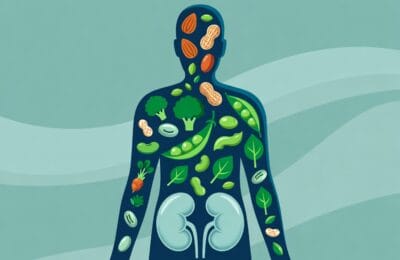
- Plant-Powered Strength: Sources such as beans, nuts, seeds, and whole grains provide ample protein, along with fiber, vitamins, and antioxidants that support muscle repair, sustained energy, and overall vitality.
- Disease Prevention Powerhouse: Numerous studies (which we link to in our blogs) demonstrate that reducing animal protein intake is associated with lower risks of heart disease, certain types of cancer, and type 2 diabetes. Many in our community report feeling lighter, more energetic, and free from that post-meal sluggishness.
Imagine bounding out of bed for a brisk morning jog, fueled by a smoothie packed with spinach, bananas, and pea protein – that’s the vibrant energy our members rave about.
Wrapping It Up: Your Path to a Better Tomorrow
In the grand scheme, the ecological impact of animal protein is profound and far-reaching; however, the good news is that we have the power to change it. Veganism offers a pathway that’s ethical, sustainable, and brimming with innovative possibilities. Whether you’re ready to go full plant-based or just curious about small steps, vegnlife.com is here for you – dive into our forums for discussions, snag delicious recipes, or download our free e-book on eco-friendly eating. What’s your next move? Please share in the comments below; let’s build this momentum together and create a healthier planet for everyone!